

Quick Exit

All survivors of trauma deserve hope and healing.

The Trauma Recovery Practice (TRP) at The Rowan Center is designed for adults who are seeking long-term, clinical-level therapeutic support after experiencing trauma, both recent and long ago.</p>
We understand that healing is not linear, and that beginning therapy can feel vulnerable, intimidating, or uncertain. Our role is to walk alongside you, providing support that is personalized to your needs.

2024-2025 Highlights

What We Mean by Trauma-
Informed Care

Trauma-informed care means that the treatment you  receive is unique to you, just as your experience of your  trauma is. Our clinicians work from the understanding  that trauma can affect different people differently, from  how they feel in the bodies, how they relate to others, and  how safe the world feels.

We do not make assumptions about a client’s experience of their trauma, so we work to create a space in which a client can feel safe enough to let  us know what they notice. Our goal is never to trigger a  client the same way twice.


In practice, this means

A steady, respectful relationship

Your therapist will work with you to keep care grounded in safety, trust, and collaboration, moving you towards the goals that make treatment feel worth it to you. Free, confidential support is available in English, Spanish, and Haitian Creole

Our Clinical Approach

Our therapists are trained in evidence-based, trauma-responsive modalities that support healing while minimizing the risk of re-traumatization.


Who We Serve

The Trauma Recovery Practice serves adults (18+) who have experienced trauma of any kind, including but not limited to the following.


24/7 Helpline

Immediate, confidential support available around the clock.

Crisis Counseling

Individual crisis counseling for ages 10 and up.

Support Groups

Peer support groups facilitated by trained professionals.

FAQs

Answers to common questions about trauma recovery therapy and the intake process.

What types of trauma can you help?

According to the American Psychological Association, trauma is “an emotional response to a terrible event like an accident, crime, natural disaster, physical or emotional abuse, neglect, experiencing or witnessing violence, death of a loved one, war, and more. Immediately after the event, shock and denial are typical. Longer term reactions include unpredictable emotions, flashbacks, strained relationships, and even physical symptoms like headaches or nausea.”

Our team members are trained to support clients who have experienced any of those examples of trauma, as well as others not listed, including domestic violence. Specifically, every member of our team is a Certified Sexual Violence Crisis Counselor and Advocate in the State of Connecticut and is specially trained to support victims and survivors of sexual violence.

What is EMDR and what does it feel like?

EMDR, or Eye Movement Desensitization and Reprocessing, is a therapy approach that can help some people process distressing or overwhelming experiences in a way that feels more manageable over time.

EMDR does not require you to describe your experiences in detail. Instead, it focuses on how memories, emotions, and sensations are held in the body and nervous system. During EMDR, your therapist will guide you through a structured process that includes brief periods of bilateral stimulation, such as eye movements, tapping, or tones, while checking in regularly about your comfort.

People experience EMDR differently. Some describe it as focused and grounding, while others notice emotional or physical sensations as memories shift. You remain present and in control throughout the process. You can pause, slow down, or stop at any time, and your therapist will work with you to ensure the pace feels supportive.

EMDR is always optional. Your therapist will explain the approach fully and explore whether it feels like a good fit for you.

How long does therapy last?

There is no single timeline for therapy. The length of treatment is shaped by your goals, needs, and what feels right for you.

Some people come to therapy with a specific focus and choose to work for a defined period of time. Others find value in longer-term support as they build stability, explore patterns, or work toward deeper healing. Therapy can also change over time, shifting in focus as your needs evolve.

You and your therapist will check in regularly about how therapy is feeling and whether adjustments are needed. You are not expected to commit to a set length of time in advance, and you can revisit your goals whenever you choose.

What if I am not sure therapy is right for me?

It is very common to feel uncertain about starting therapy. You might have questions, hesitations, or mixed feelings, especially if you have had difficult experiences in the past or are unsure what to expect.

An initial consultation is simply a chance to learn more, ask questions, and see how the interaction feels. It is not a commitment to ongoing therapy. You do not need to know exactly what you want to work on or how to explain your experiences.

Taking time to decide is allowed. Whether you choose to continue, pause, or explore other options, your choice is respected. Seeking information is already a meaningful step toward care, even if you are not ready to begin therapy right now.

How long are the sessions?
Sessions are scheduled for 60 minutes and last between 53 and 59 minutes.
What should I expect at my first session?
The first session is focused on making sure each client understands their rights and responsibilities and setting expectations for working together. The remaining time is spent starting on the initial diagnostic assessment and settling on the client’s desired treatment goals.
What documents do I need to bring?
Our system will offer new clients the opportunity to complete their intake forms and upload photos of necessary documents prior to their first session. For clients who prefer to do that in person, a government-issued photo ID and HUSKY card are required at intake. 
 
If you need to fax any documents, the Trauma Recovery Practice fax number is 203-658-6259.


How does HUSKY insurance work at the clinic?

Adult prospective clients who have HUSKY insurance will have their coverage verified by our team before the first session wherever possible, and otherwise before a second session. For clients whose coverage is confirmed, no further action is required on the part of the client. Our team will take care of all billing and reimbursement matters.

It is important to note that HUSKY prohibits providers from charging any fee directly to the client, including for no-shows and late cancellations. As such, it is important for our clients to know that attendance to scheduled sessions is very important, and that a pattern of missed sessions can result in termination of services. Those policies are outlined in the documents provided to the client at intake.

Getting Started

Three Cards Row
1

Request an Intake

Fill out our secure intake form to help us understand your needs.

Complete the intake form
2

Initial Consultation

Meet with our intake coordinator to discuss your goals and preferences.

3

Begin Treatment

Start your healing journey with a therapist matched to your needs.

Our Clinical Team

Compassionate, trauma-informed professionals here to support your healing journey.
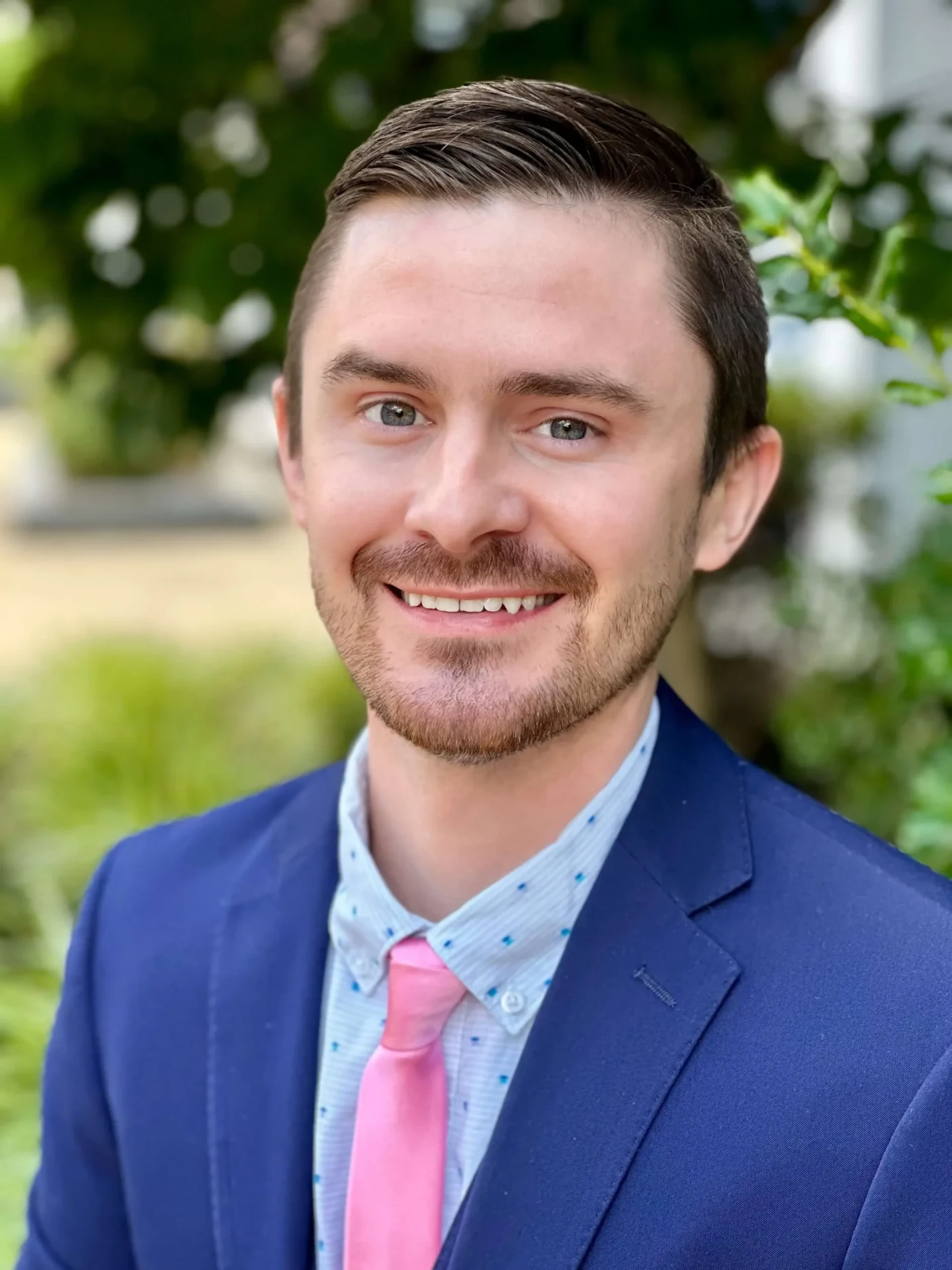
Luke Robbins

Luke Robbins, LCSW

Clinical Director (EN / ES / FR) EMDRIA-Approved Facilitator • EMDR Certified Provider

Luke Robbins (he/him/his) is a Licensed Clinical Social Worker and Certified EMDR Provider. He received his MSW from the University of Chicago in 2015 and is licensed in Connecticut, Indiana, and Maine.

Luke joined The Rowan Center in 2019 and has served as Director of Counseling, COO, and now Clinical Director, overseeing daily operations and clinical supervision.

He offers services in English, French, and Spanish and works with PTSD, OCD, first responders, and survivors of sexual violence.

Languages: English • Spanish • French
Isabel Negron

Isabel Negron, LCSW

Assistant Clinic Director EMDR Provider

Isabel Negron (she/her) is a Licensed Clinical Social Worker and EMDR provider since 2022. She is working toward Certified EMDR Therapist status and received her MSW from Fairfield University.

She began at The Rowan Center as a master’s-level intern and later became the first Bilingual Staff Therapist at TRP.

Isabel specializes in trauma-informed care for depression, anxiety, PTSD, and survivors of sexual violence.

Languages: English • Spanish
Taina Colon

Taina Colon, LMSW

Staff Therapist & Trauma Fellow (EN / ES) EMDR Provider • Certified Sexual Assault Advocate

Taina Colon (she/her) received her MSW from Fordham University in 2024 and is a licensed LMSW in Connecticut. She is a trained EMDR provider pursuing advanced specialization.

She completed a year-long internship at The Rowan Center and served as a Bilingual/Bicultural Counselor before joining TRP.

Taina provides trauma-informed counseling to survivors of sexual violence and complex trauma.

Languages: English • Spanish
Zachary Boccarossa

Zachary Boccarossa, LMSW

Staff Therapist & Trauma Fellow (EN / ES) EMDR Provider • Certified Sexual Assault Advocate

Zachary Boccarossa (he/him) received his MSW from Fairfield University in 2025 and is a licensed LMSW in Connecticut.

He completed his MSW internship at The Rowan Center providing crisis counseling services to survivors of sexual violence.

Zachary specializes in depression, anxiety, PTSD, and trauma-related recovery.
Languages: English • Spanish

Subscribe for Updates & News Alerts

Stay informed about our programs, events, and important community updates

We respect your privacy. Unsubscribe at any time.